Each month, this series introduces fun and impactful healthy habits to help families with kids and teens prioritize physical, mental and spiritual well being – fostering a lifestyle of shared growth and lifelong wellness. Healthy habits built together are the ones that last a lifetime.
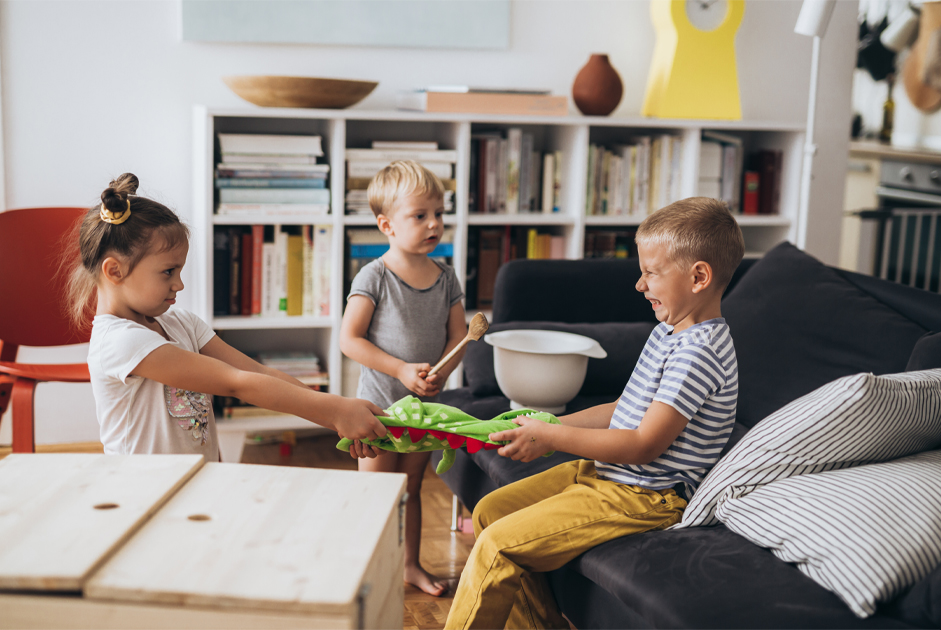
This time of year, we gain so many new memories gathering with family and friends during the holidays. If we’re being honest, sometimes those memories come with some uncomfortable conversations – in between the good ones, of course. Whether it’s a simple sibling squabble or a heated debate at the dinner table, this season offers plenty of opportunities to model how to navigate hard conversations with grace, empathy and confidence.
It’s Normal for Emotions to Flare or Voices to Rise
Our initial response to conflict may be to shield them from it, but the reality is that families will always have differing opinions – whether inside your own home or across the Thanksgiving table. Witnessing hard conversations helps kids learn how to express themselves, listen to others and handle conflict in a healthy way. The truth is that many of us didn’t grow up in homes where healthy communication around conflict was exemplified.
Conflict Resolution is a Key Life Skill
We’ve all seen children who immediately bottle up their emotions or lash out when conflict is present. (In fact, you can probably picture adults who handle conflict in this way even faster!) Learning how to communicate when things aren’t easy is one of the most valuable life skills we can give our children. Whether it’s deciding who gets the last cookie, asking a classmate to stop teasing or disagreeing with a teacher, knowing how to speak up and stay calm helps them feel empowered rather than overwhelmed. When they learn how to have difficult conversations around an array of topics, they have more confidence in standing up for themselves, more empathy towards others and are more equipped to handle inevitable disagreements.
3 Practical Ways to Practice Conflict Resolution
#1 Help them identify their emotions.
It’s incredibly difficult to communicate what you’re feeling if you don’t have the words for it! Adding a simple tool like a feelings wheel can make a big difference, helping children learn to name emotions like “frustrated,” “disappointed” or “embarrassed” instead of just “mad.” When they can identify their feelings, it helps them understand what’s going on inside them and helps them express it more clearly.
#2 Practice “Listen & Respond” language.
Learning how to pause rather than immediately react during moments of frustration takes time for kids to learn! Teach your kids to use phrases like “I feel ___ when ___” or “I understand that you feel ___” to help them build empathy and keep conversations respectful. Make it a point to role-play situations as a family, so these tools feel familiar before big emotions hit in real life.
#3 Model respectful disagreement at home.
Our kids learn more from what we do than what we say. When you and your partner disagree, or when a tough topic comes up around family or friends, show them what respectful communication looks like. Let them see you use the tools you are teaching them about. Take a deep breath, listen actively to what the other person is saying and respond thoughtfully, sharing how you feel and try to come up with a resolution together.
Creating Practices That Last a Lifetime
Conflict isn’t something to be afraid of, just something to navigate! When you are intentional about teaching and demonstrating conflict resolution with your kids, they will benefit from it in every stage of life. Honest and open dialogue in the midst of disagreement reinforces the idea that relationships can withstand hard conversations and even grow stronger through them. We don’t want our kids to shy away from difficult discussions; we want them to embrace that honesty and empathy can coexist and that even the hardest conversations can be handled with heart.