There’s nothing more inspiring than exploring and interacting with the world around you in colorful, curious new ways!
For visitors to the Winston-Salem area and local residents who love and appreciate the historic significance of the Reynolda Estate, the Reynolda House Museum of American Art is offering what can truly be described as a delightful, multi-faceted experience.
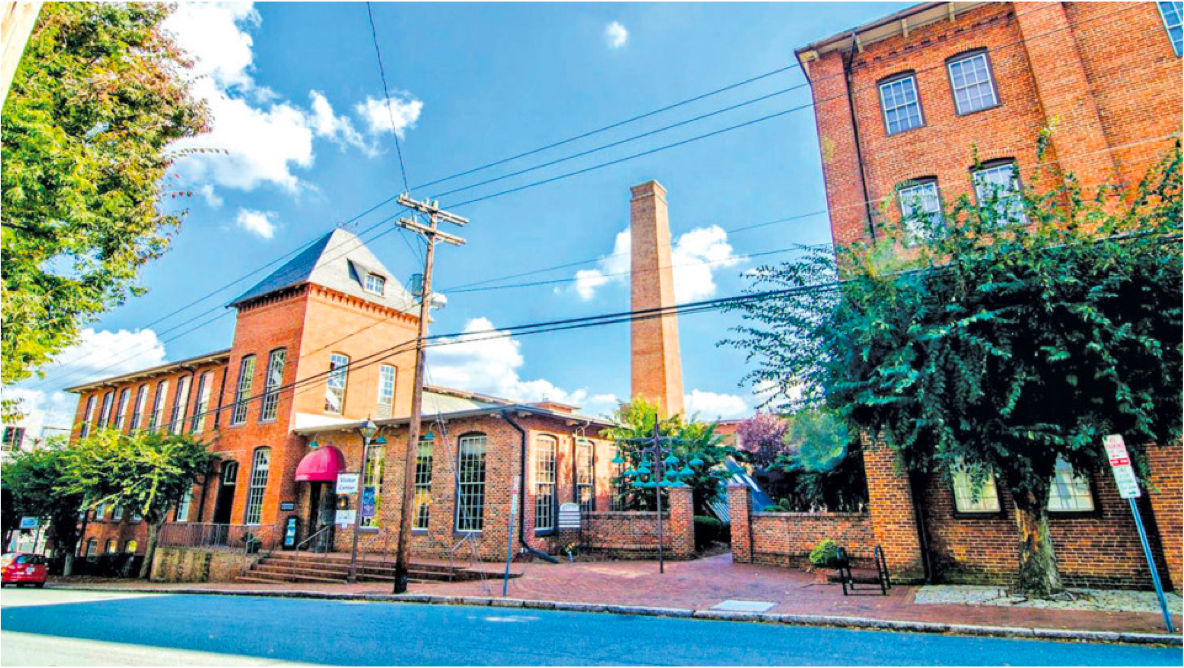
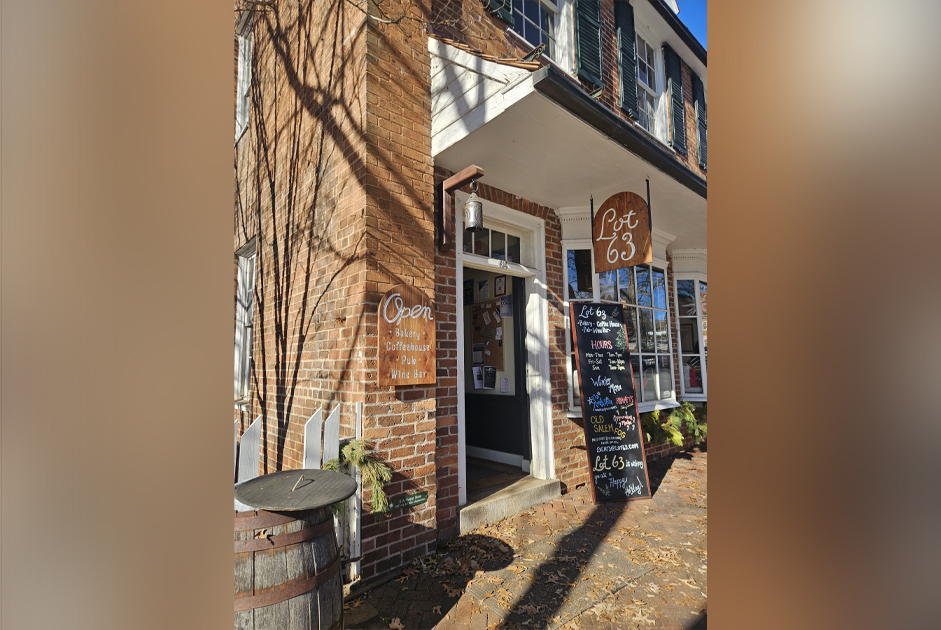
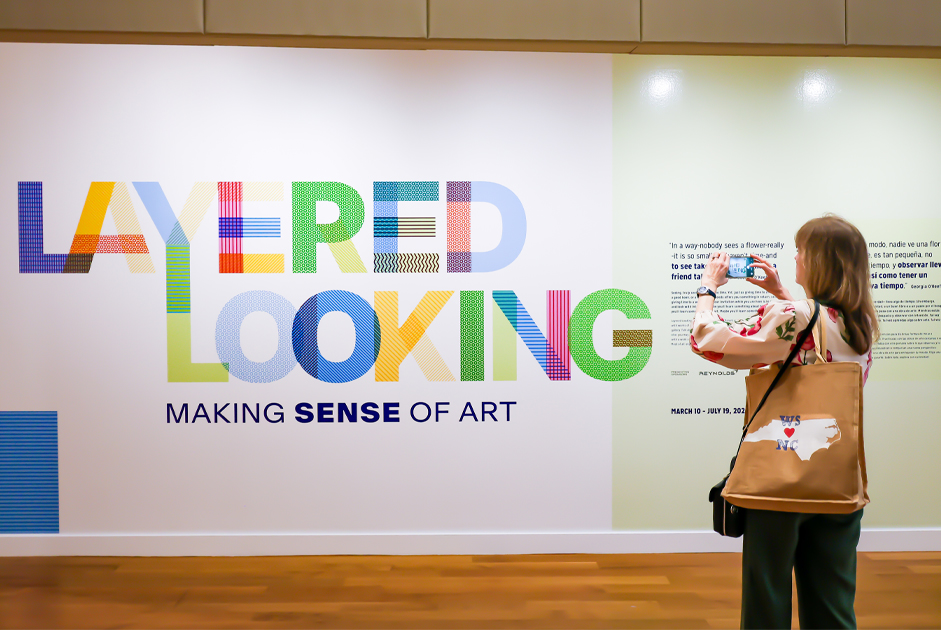
“Historic Reynolda is a ‘layered’ experience for families in general,” shares Director of Marketing & Communications Brittany Norton. “So, when you’re here visiting our current exhibition Layered Looking: Making Sense of Art, it’s just as lovely to take time exploring the trails of Reynolda, strolling through the formal gardens, learning about exotic plants in the Brown Family Conservatory and visiting the shops and restaurants that make up Reynolda Village.”
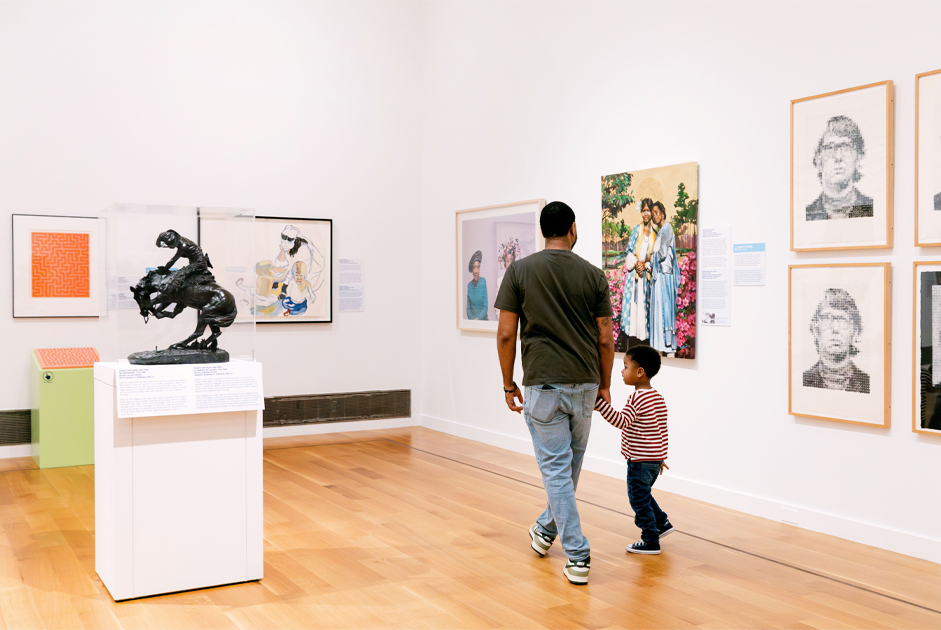
What began in March – and will be open until July 19th in the Mary and Charlie Babcock Wing Gallery – the Layered Looking exhibition is a masterful journey through sound, touch, memory and movement. This unique exhibition highlights what happens when we give ourselves permission to engage art with our whole bodies and our full curiosity.
“Reynolda is a ‘first museum’ for many people, and we thought it might be interesting to emphasize that with a show that invites a younger audience to experience art in fun, perhaps even interactive, ways,” shares Director of Teaching & Learning Julia Tanner, who has worked with the permanent collection for 14 ½ years. “In art museum education, it’s our goal for these experiences to help people make personal connections with works of art, foster careful looking, invite critical thinking and, most of all, be fun.”
While exploring how to make an interactive, family friendly exhibition from Reynolda’s collection, the goal was to be a big invitation to everyone – both kids and adults – to come look at art.
“We wanted to offer tools – as we do in our facilitated tours – to everyone visiting the exhibition,” adds Julia. “While I knew our members and families would be a key part of my audience, I was also thinking about the many adults I encounter who feel they don’t know enough about art to appreciate it. As a museum educator, I’m adamant you have everything you need to be able to look at – and make a connection with – a work of art. Or, you can decide it doesn’t connect to you at all. I also know adding additional layers of looking (including bits of research) can build upon that initial experience. Hence, Layers of Looking: Making Sense of Art.”
Striving to keep the exhibition approachable and fun, some of the included artists wanted their work to be accessible and to communicate ideas to a general audience.
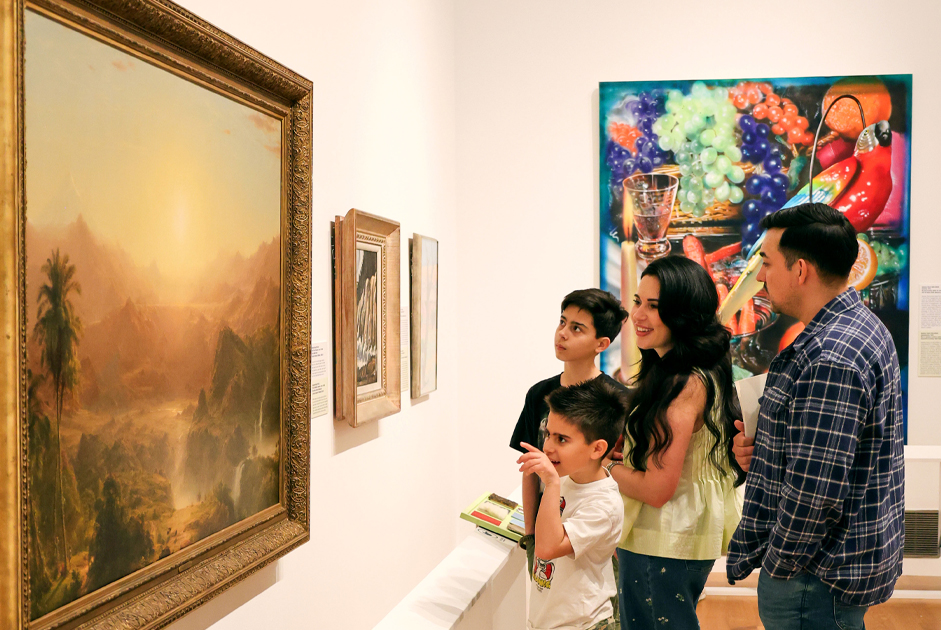
“I chose works with a lot of bright colors, fun imagery and bold shapes to particularly help attract younger viewers. But, part of the beauty of art is that people are drawn to all sorts of things, so we included a range of interesting works,” explains Julia. “There were some teens I talked with who really connected with one of our 18th century and one of our 19th century works, more than some of the contemporary works in the show. At the end of the day, I want people to feel like an art gallery or museum can be a fun space, with interesting visuals and intriguing ideas, and that they can find something with which to connect.”
As she typically sees works from the permanent collection on the walls in the historic house portion of the museum, Julia shares it’s been fun to see these on white walls with different lighting.
“Being able to put some big works next to each other that we wouldn’t be able to hang together in the house, there are some visual connections I’m making between different works,” she adds.
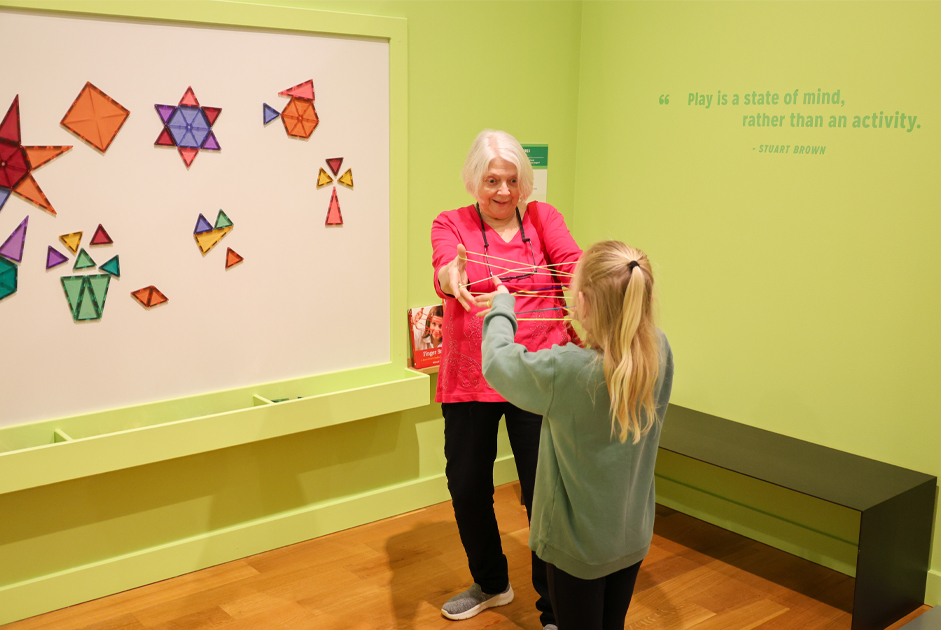
Visitors are engaging with the exhibition in a variety of ways – from sampling the sounds and music clips as they look at one particular section, to an interactive PlayLab in the middle of the gallery.
Instead of spotlighting one artist, one period or a singular theme, Layers of Looking is organized around different ways of doing art appreciation – by looking closely, listening deeply, striking a pose or even building a bridge between your life and what you see. In one space, hear a saxophone solo as you reflect on brushstrokes. In another, you might sketch a mystery scene left unfinished by a painter two centuries ago. Around every corner, you’ll find playful provocations and gentle invitations to imagine even more.
Julia will present a curator talk “Making Sense of Art” with more information about this exhibition and how it came about on Saturday, May 16th at 2:00 p.m. in the Reynolda House Auditorium. Other upcoming Open Studio Saturdays include May 9, 2026: The Art of Collage, and May 23, 2026: Blind Embossing.
For more information, visit reynolda.org. Reynolda House Museum of American Art is located at 2250 Reynolda Road, Winston-Salem, NC, 336.758.5150. For other events and updates, follow @historicreynolda on Instagram.