By TMOM TEAM MEMBER DENNETTE BAILEY UPDATED BY SARAH MARCHWIANY
Starting preschool is a big milestone for kids, and it can be both exciting and emotional. This big transition marks a new environment, new friends and a new teacher which can bring about a mix of emotions for both parents and toddlers. Whether it’s your child’s very first day of preschool, or you’re preparing him or her for a new school year, having a plan in place can help make the big day a smooth and positive experience. Here are practical ways to prepare your toddler (and yourself) for this big change with patience, understanding and a focus on building new skills.
Take a Tour Before the First Day
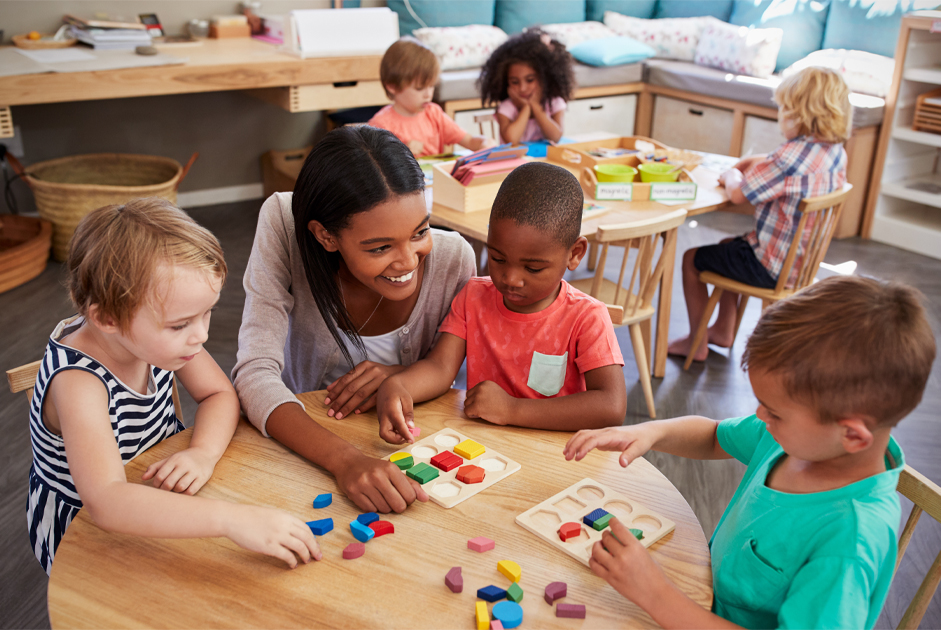
Before your child’s first day of preschool, arrange a visit to see the classroom and meet the new teacher. This helps them feel more comfortable in the new environment and reduces separation anxiety. Walking through the space, seeing where they will sit, play and do fun activities, and maybe meeting a few kids can make the first day feel less overwhelming. As you count down to the big day, talk about the things they saw – like the art station, playground or reading corner, so they start to feel excitement instead of uncertainty.
Talk About Feelings Openly
Preschool is a big change, and it’s normal for kids to experience a swirl of emotions – nervousness, excitement or even sadness. Let your toddler know that all emotions are important. Share stories about a time when you felt the same way and how you handled it. This not only validates their feelings but also teaches them that emotions are a normal part of any big transition. Acknowledging these emotions now can make drop-off much easier later.
Create a Consistent Schedule
A predictable schedule helps kids adjust more easily to preschool life. In the weeks before the big day, start waking up, eating breakfast and getting dressed around the same time they will for school. Include a special goodbye ritual for drop-off – like a unique handshake or a set number of hugs and kisses – so your child knows what to expect each morning. Let them know when you’ll be back, such as “after snack time” or “after nap” to give them a sense of timing and comfort.
Prepare Yourself for Drop-Off
Parents feel the emotions of a big change, too, and it’s important to prepare yourself for the first day of preschool. Prolonged goodbyes can make separation anxiety worse for both you and your toddler. Instead, keep drop-off short, calm and positive. Trust that the teacher is ready to comfort your child, and know that they will soon be engaged in fun activities and making new friends.
Organize Supplies the Night Before
A smooth morning starts the night before. Lay out clothes, pack snacks or lunch, if needed, and gather any required items like extra clothes or paperwork. Most preschools have rules about what kids can bring from home, so check ahead to avoid disappointment. Having everything ready reduces stress for both you and your child, making the first day run more smoothly.
Teach Self Soothing Skills
While preschool teachers are great at offering comfort, it’s helpful for your child to have simple, self soothing strategies for moments they miss you. This could be a family photo on their cubby wall, a shirt with a picture of your family or a special kiss on the forehead before you leave. Talk about cozy corners, art supplies or other ways they can feel better when they’re sad. Practicing these strategies beforehand can build their independence and resilience.
Read Books About Preschool
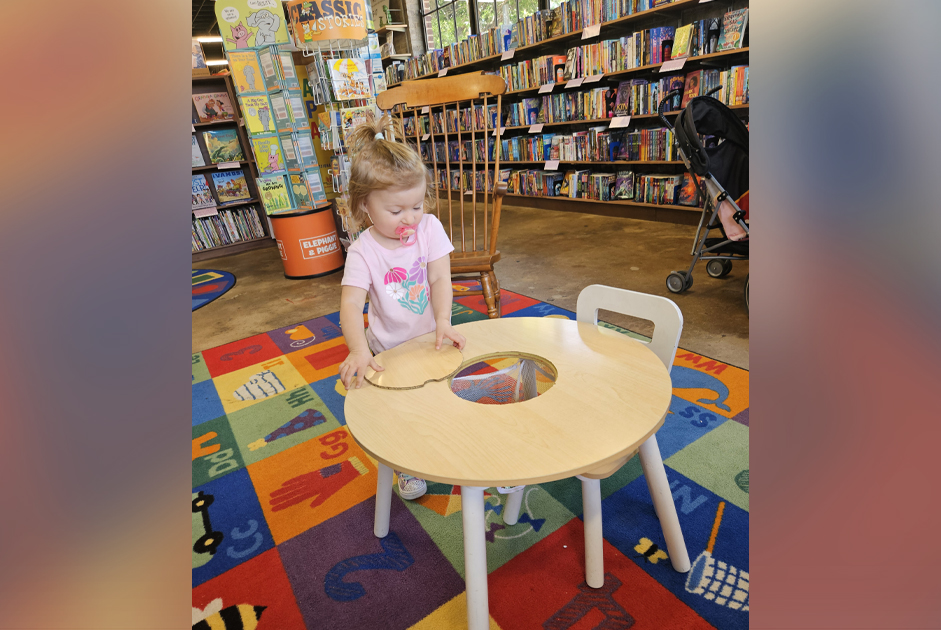
Introduce the concept of preschool through age-appropriate books that show kids having fun, making new friends and learning new skills. Reading together helps spark conversations and eases uncertainty. Titles like “The Night Before Preschool” or “Llama Llama Misses Mama” can make the experience feel familiar before it even begins.
Arrange Playdates with Future Classmates
If possible, connect with families whose kids will attend the same preschool. A familiar face on the first day can be a huge comfort for a toddler in a new environment. Even one or two playdates before school starts can help your child feel more at ease during this big transition.
Practice Independence at Home
Encourage your child to practice skills they’ll need in preschool, like putting on shoes, using the bathroom or washing hands. These new skills boost their confidence and make it easier for them to navigate their day without constant help.
Trust Your Decision
Choosing a preschool is a big step, and trusting your choice is important. Preschool helps children build independence, social skills and confidence. It allows them to follow directions from other adults, explore fun activities and develop friendships. Most importantly, it prepares them for the structure and expectations of kindergarten.