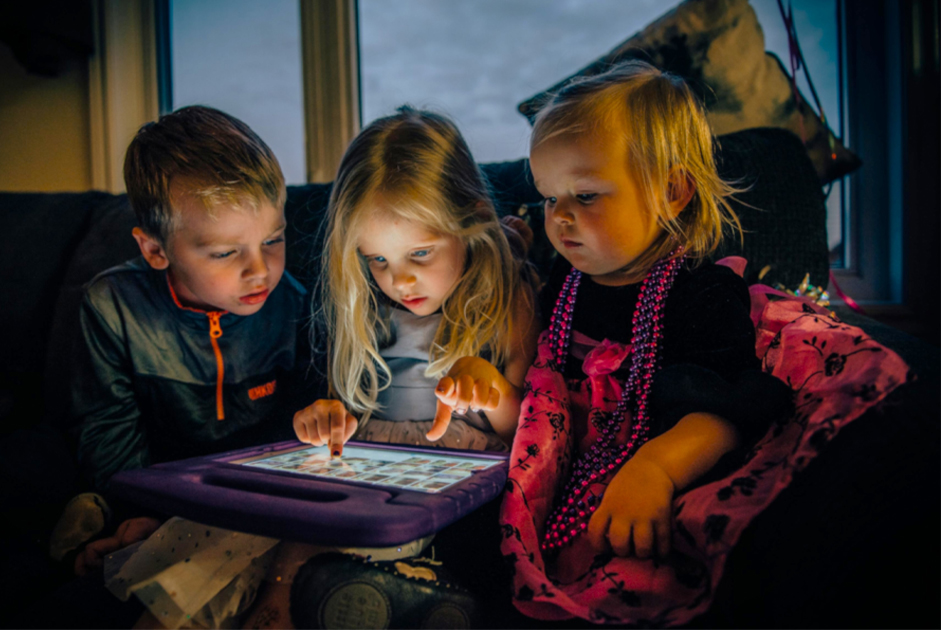
I’ve always found it interesting that my two sons are so different from each other. For that matter, my brothers, sister and I are nothing alike either, except for our love of sports. The personalities are different; the interests are different; the style of dress, practically everything. You would think growing up under the same roof, with the same parents, there would be lots of similarities. It turns out there’s a whole field of research explaining why siblings grow into such different people, and once you understand it, family life starts to make a lot more sense.
Birth order is the explanation most of us heard growing up, and while it’s not the whole story, it does shape things. Developmental psychologist Frank Sulloway, whose work on birth order is widely recognized, explains that “siblings have to specialize in different niches to get parental investment.” In other words, if the oldest child has already claimed the “responsible one” role, the next child may lean into humor, creativity or boldness simply to stand out. But, modern researchers caution us against treating birth order as destiny. Alison Gopnik, a leading developmental psychologist at UC Berkeley, reminds us that children “aren’t just shaped by parents; they’re shaped by siblings, peers and the broader world.” So, while birth order nudges kids in certain directions, it doesn’t lock them into a personality type.
One of the more fascinating ideas in sibling research comes from behavioral geneticist Robert Plomin, who found that siblings actively create roles within the family where they can particularly shine and play to their strengths. Think about your own kids. The one who grows up between two louder siblings might naturally become the mediator, learning early how to read the room. A child who spends more time alone might develop a vivid imagination and become an artist or innovator. And the youngest, who often has to work harder to be noticed, may become the entertainer. Plomin illuminates the point that siblings are “as different genetically as any two people in the population.” So, even though they share a home, they don’t share identical wiring, which helps explain why they respond so differently to the same environment.
Another intriguing truth that hits home on this topic is that siblings don’t actually grow up with the same parents. Laurie Kramer, a leading expert on sibling relationships, explains that “parents change over time, and children are born into different family circumstances.” The first child gets brand new parents who are learning everything from scratch. The youngest gets parents who are more experienced, often more relaxed and sometimes more tired. These shifting versions of us shape our kids in different ways. The oldest may become responsible because expectations were higher. The youngest may become socially agile because they learned to navigate a more complex household. Middle children often become adaptable because they’re constantly negotiating space and attention. Kramer also notes that siblings “learn an enormous amount from each other, including conflict management, empathy and cooperation, often more than they learn from parents.” That’s humbling, perhaps even a bit scary, but can also be comforting.
And, here’s something every parent needs to hear. The siblings’ everyday arguments that make us want to hide in the basement are actually doing important developmental work. Family researcher Mark Feinberg at Penn State explains that “sibling relationships are where children learn how to handle disagreements, regulate emotions and understand another person’s perspective.” His research shows that kids who learn constructive conflict skills early tend to have better mental health outcomes and stronger peer relationships later in life. So, when your kids are arguing about who took what from whose room, they’re not just bickering; they’re practicing life skills.
Over time, these experiences shape what I like to think of as each child’s “superpower.” One becomes the leader, another the peacemaker, another the innovator, another the caregiver and sometimes one becomes the delightful wild card who doesn’t fit any pattern at all. Interestingly, these roles aren’t fixed, and they evolve as kids grow, but they often initiate from the niches siblings carve out for themselves.
As parents, we help foster these superpowers by avoiding comparisons, celebrating each child’s uniqueness and guiding them through conflicts instead of just refereeing. Even a few minutes of one-on-one attention makes a child feel valued. The more we let their roles develop naturally, the more they surprise us. The shy child becomes a storyteller. The wild child turns into an entrepreneur. The peacemaker evolves into a leader.
The whole beauty of siblings isn’t that they’re alike, it’s that they’re different. Their superpowers don’t compete; they complement. As Gopnik puts it, “Children are designed to learn from the people around them, and siblings are some of the most powerful teachers they have.” When we watch our kids negotiate a truce, build a fort or argue over pizza slices, we’re witnessing the growth of lifelong strengths. And those strengths, those sibling superpowers, are one of the greatest gifts a family can provide.
Musical Selection: NEEDTOBREATHE “Brother feat. Gavin DeGraw” [Official Video]
To comment and see more. visit theviewfrommysection.com.