
Each month, this series introduces fun and impactful healthy habits to help families with kids and teens prioritize physical, mental and spiritual well being – fostering a lifestyle of shared growth and lifelong wellness. Healthy habits built together are the ones that last a lifetime.
Have you ever tried to get your child to calm down, while you are barely holding it together yourself? This seems to be a universal experience – don’t worry! The spectrum of emotions a child can go through in an hour, let alone 24 hours can put many adults face to face with their need to regulate their emotions in ways that they simply weren’t taught how to do growing up. Now, we get to break that cycle by giving our children the right tools and learning right beside them.
Understanding Good vs. Bad Emotions
The best place to start is understanding that there are no “bad” emotions, just ones that make us feel bad. Feeling angry, sad, frustrated, jealous or even experiencing grief are all natural parts of being human. How we respond to these emotions is what matters. Understanding the power of emotional regulation allows you to acknowledge each feeling, identify it by name and lean into a healthy way to move through them. Kids and adolescents crave this kind of resource but don’t often know it’s within grasp without someone leading them to it.
Why Emotional Regulation Matters More Now Than Ever
Our kids are growing up in a time with more social and educational pressures than ever. When they don’t know how to regulate their emotions, every part of life is impacted. Kids can grow into teenagers and adults who shut down emotionally, have a lack of coping skills, react impulsively and experience higher stress, anxiety and poor relationship skills. On the other hand, kids who learn how to identify their feelings, pause long enough to understand where those emotions are stemming from and have the skills to self-soothe and process what they feel can grow into emotionally intelligent individuals.
Helping Kids Build Their Emotional Toolbox
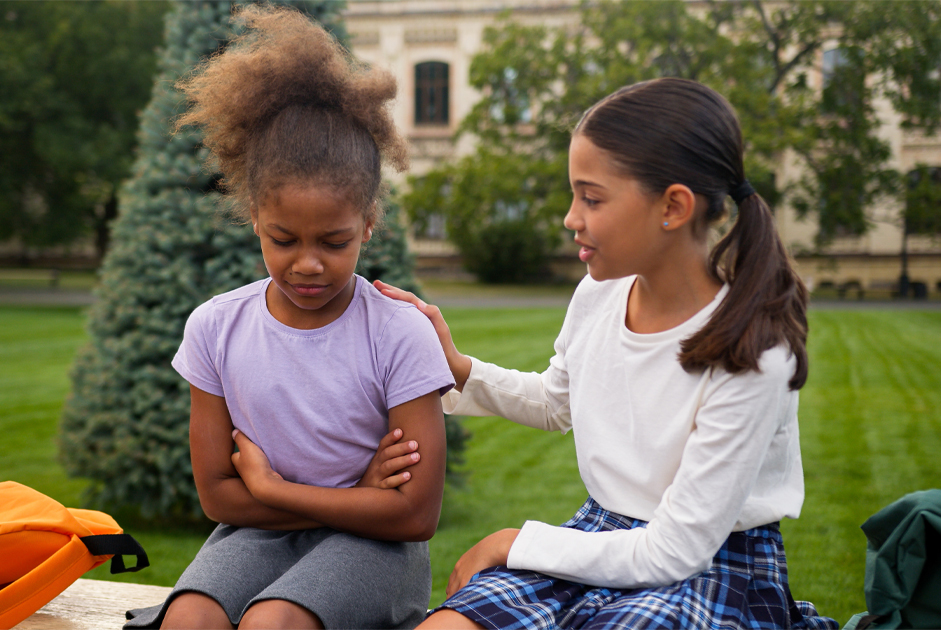
Every day, there’s an opportunity to teach kids how to regulate their emotions. Maybe they are arguing with a sibling or overwhelmed by school work? Help introduce tools like taking a deep breather, stepping away from a situation, asking for help in the moment so they don’t shut down or become irate or overwhelmed. Most importantly? Help them gain confidence in themselves that they really are capable of trusting their emotions and learning to handle them in ways that make them feel better.
Simple Ways to Get Started
Here are three simple ways:
#1 Name It to Tame It: Practice labeling how your child is feeling. Ask them to give their feelings a name, so you can normalize what they are feeling. “I’m feeling angry because I don’t want to leave the playground!” This may seem simple, but it gives your child the right vocabulary to express themselves.
#2 Create a Calm Down Plan: When big emotions roll in, help your child identify ways they can calm themselves down. Each kid is different! Maybe this looks like sitting quietly in a “calming corner” by themselves, or another child may do better journaling or playing with a sensory toy. The key is not to force something but find the right coping tool.
#3 Be a Model to Follow:
Kids are very much “monkey see, monkey do” learners! Showing emotional regulation in action as you walk through your own feelings in front of them is a huge learning tool. When you’re upset or frustrated, let your child see how you get through it. Share if you’re taking a moment alone to gather yourself or going for a walk to change your environment.
Creating Practices That Last a Lifetime
You don’t have to be perfect, but be present. Many older generations are very much still learning how to work through their own emotions both in the moment and long term. There is power in learning and working alongside your kids! Make it a priority to talk about your feelings with your kids, try to pause before reacting to things, and don’t be too hard on yourself. The job of raising emotionally healthy human beings isn’t an easy one but truly an honor knowing it makes for a more compassionate world.