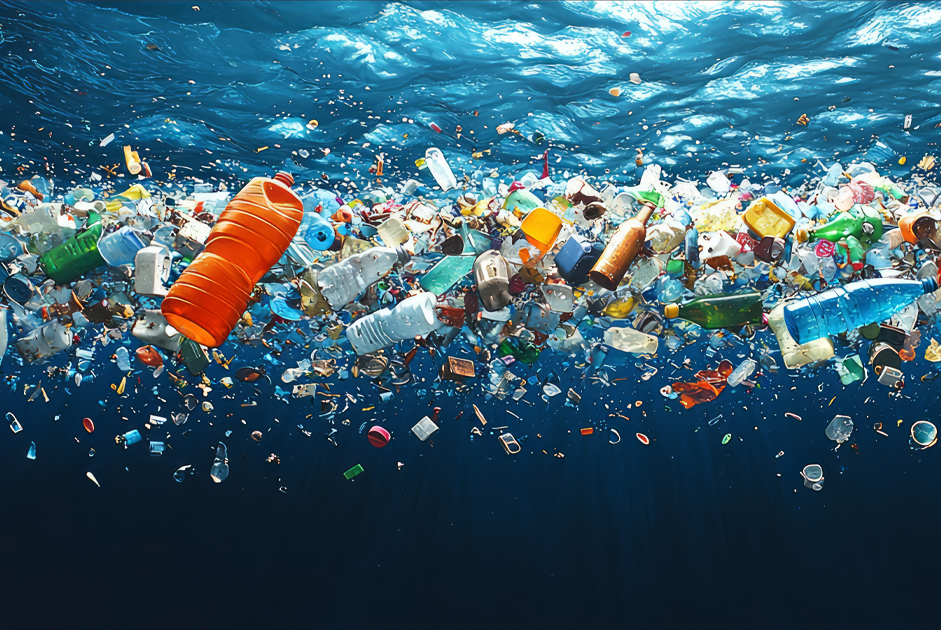
Chances are, you’ve heard the word microplastics recently—and for good reason. These tiny plastic particles are turning up in our food, water, air, and even inside our bodies. In fact, research shows that the average person consumes the equivalent of a credit card’s worth of plastic every week. Pair that with “forever chemicals” (toxins that don’t break down in our environment), and it’s easy to feel overwhelmed.
But here’s the good news: while we can’t eliminate microplastics completely, we can reduce our exposure. Small, consistent changes in our daily lives really do add up—and over time, they not only protect our health, but also support a cleaner environment for future generations.
Here are a few simple, actionable steps you can take right now:
- Skip the Plastic Bags
Why: Single-use plastic bags are one of the biggest contributors to microplastic pollution. They break down into tiny particles that end up in waterways and soil.
Try this instead: Bring your own reusable bags when you shop. Forgot them? Ask for paper instead of plastic.
- Don’t Microwave Plastic
Why: Heat causes plastic containers to break down and release microplastics and harmful chemicals directly into your food.
Try this instead: Use glass or ceramic dishes for reheating. (Pro tip: glass storage containers are sturdier, longer-lasting, and look better in your fridge!)
- Swap Out Plastic Water Bottles
Why: Plastic bottles can shed microplastics into your water, especially when they’ve been exposed to heat.
Try this instead: Carry a stainless steel or glass water bottle. Bonus: it saves money and keeps your drinks colder longer.
- Rethink Food Storage
Why: Plastic wrap, baggies, and Tupperware can all leach tiny particles into food over time.
Try this instead: Transition to glass containers, silicone bags, or beeswax wraps. You don’t have to toss everything at once—replace items little by little as they wear out.
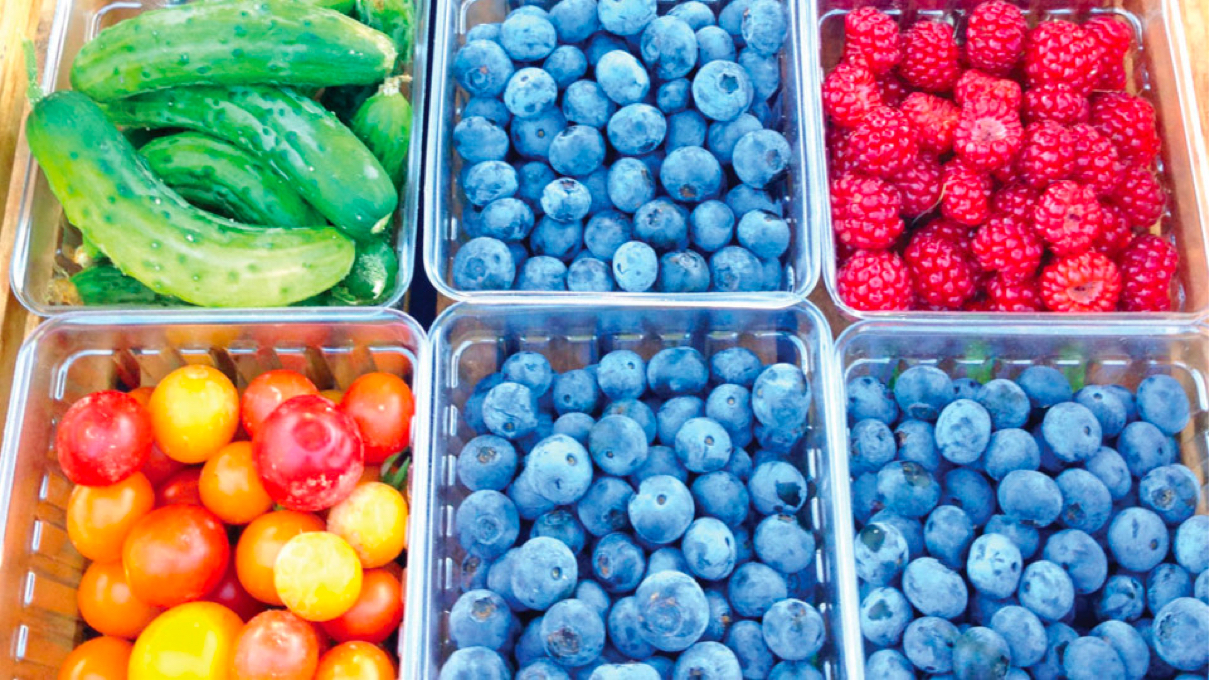
- Choose Fresh Over Packaged (When You Can)
Why: Highly processed and packaged foods often come in layers of plastic, which increases exposure.
Try this instead: Shop the outer aisles of the grocery store—produce, dairy, and fresh proteins. Bring your own produce bags for an extra win.
- Wash Smart
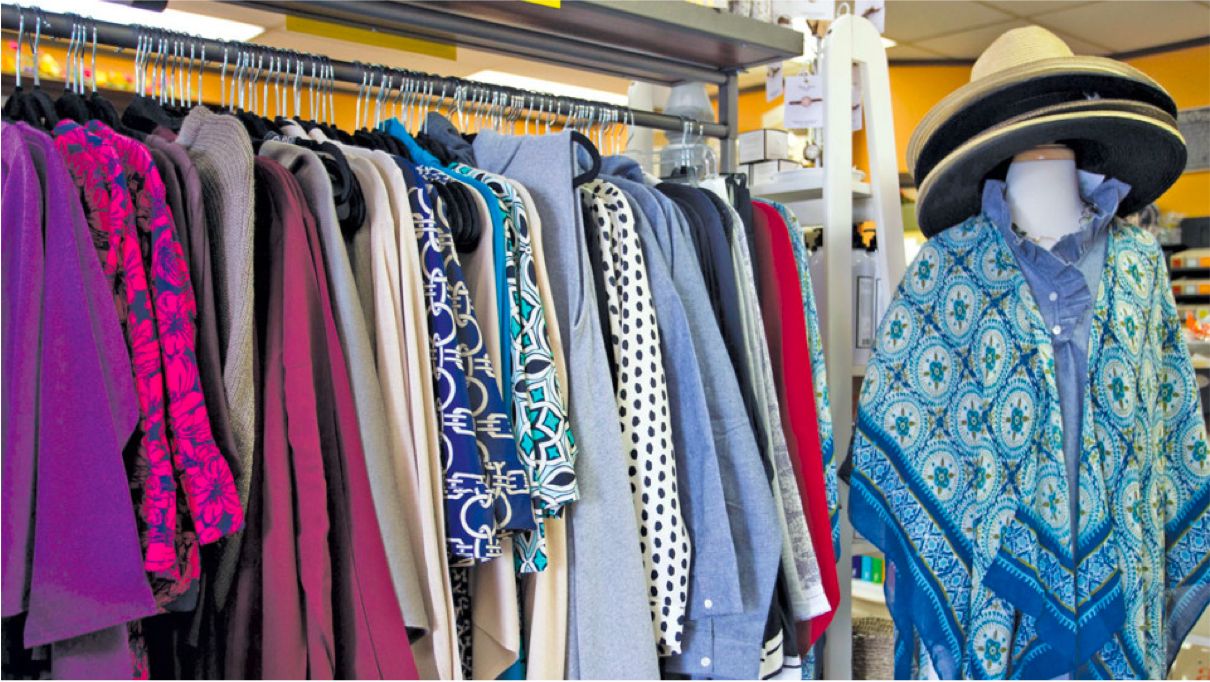
Why: Synthetic fabrics (like polyester) shed microplastics every time they’re washed, which end up in our water systems.
Try this instead: Use a microplastic-catching laundry bag or filter, and when possible, choose natural fabrics like cotton or linen.
Remember: Progress, Not Perfection
It’s impossible to avoid microplastics entirely—but that doesn’t mean our choices don’t matter. Think of it as a journey: swap one plastic item for a glass one, switch to a reusable bottle, or commit to saying “no thanks” to plastic bags. Each step compounds over time, protecting your health and sending less plastic into our environment.
When you know better, you can do better—and even the smallest step is a powerful move toward a healthier you and a cleaner world.