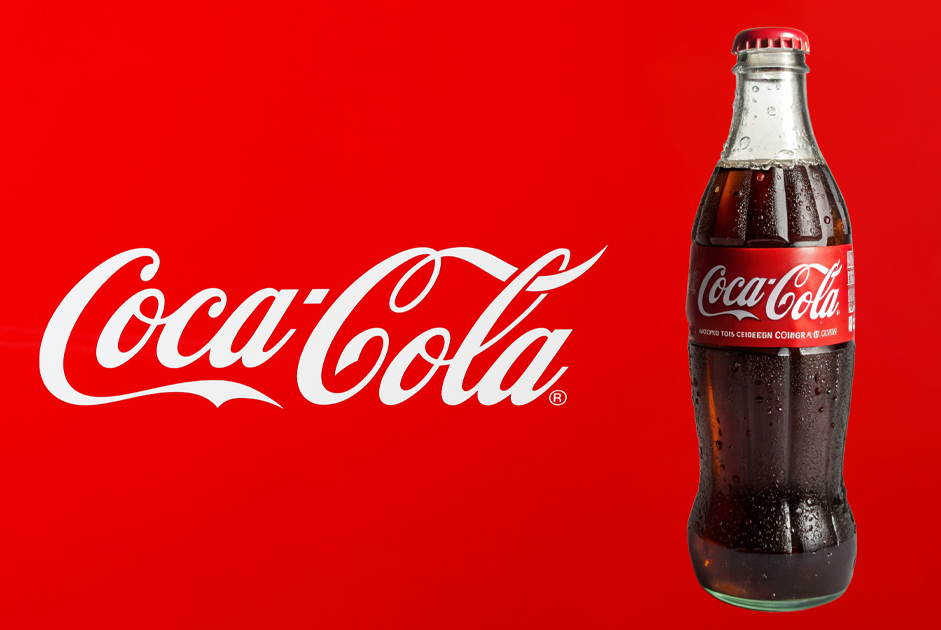
When Coke first hit the shelves in the late 1800s, it was more than a drink – it was a sensation. People lined up at soda fountains just to get a taste of that magical caramel-colored elixir. It wasn’t long before Coca-Cola became the pride of the south.
You might still notice that, in some special corners of the south, folks have a cherished way of doing things. They wave from their porches, they grow their own vegetables and when it comes to soft drinks, they call them all “Coke.” Every gathering, from church picnics to Friday night football games, has coolers full of fizzy drinks. And, it doesn’t matter if it’s orange, grape or lemon-lime. If it’s fizzy, it’s a “Coke.” The tradition started back when Coca-Cola was invented in Atlanta. The drink was so popular, so beloved, that it became synonymous with soda itself. Over time, asking for a “Coke” became a cultural shorthand:
“You want a Coke?”
“Sure.”
“What kind?”
“Root beer.”
It was charming, it was southern and it was everywhere.
It became a kind of southern shorthand. Saying “Coke” was like saying “y’all” or “bless your heart” – it was just part of the culture.
Several factors contribute to this linguistic phenomenon:
Historical dominance of Coca-Cola:
Coca-Cola was the first widely popular soft drink in the south and became deeply ingrained in the culture.
Generic use of the brand name:
Over time, “Coke” became a generic term for any carbonated beverage, similar to how some people use “Kleenex” for tissues.
Lack of alternative terms:
While “soda” and “pop” are used in other parts of the country, “Coke” became the dominant term in the south, often excluding the other options.
Regional identity:
This usage is part of the unique linguistic identity of the south and can be a way for southerners to express their regional pride.
And, speaking of regional pride, pretty much every soft drink was created in the south, with Coke being one of the first and most famous. Coca-Cola, created by Dr. John S. Pemberton in Atlanta in 1886; Pepsi, invented by Caleb Bradham in North Carolina in the late 1890s; Dr Pepper, founded in Texas in 1885; Mountain Dew, founded in Knoxville in 1948. In addition, some popular, smaller brands were invented in the south, such as Barq’s Root Beer in Mississippi in 1898, Cheerwine in North Carolina in 1917 and Double Cola in Tennessee in 1933.
Actually, soft drinks had been around for decades before Coca-Cola was developed. Technically, a “soft” drink is a beverage that contains carbonation. They are called “soft” in contrast with “hard” drinks, which contain alcohol. Early soft drinks were carbonated water with fruit flavoring added. There were at least 50 soft drink manufacturers before the Civil War, including some outside the south.
Coca-Cola, The Beginnings:
It wouldn’t be until Coca-Cola was invented that soft drinks became ubiquitous because they were mass-produced, making them inexpensive and available to large portions of the population. Coke was created by a pharmacist from Columbus, Georgia: John Stith Pemberton (1831-1888).
Pemberton moved to Columbus to open a pharmacy in 1853. While serving as an officer in the Confederate army, he was wounded in the chest by a saber in the Battle of Columbus. The resulting chronic pain led to an addiction to morphine, according to Richard Gardiner in his article “The Civil War origin of Coca-Cola in Columbus, GA.”
Coca-Cola, initially called Pemberton’s French Wine Coca, was developed while Pemberton experimented with alternatives to morphine and cures for addiction. Most historians now agree Coca-Cola was formulated in Columbus, but it was first mass-produced in Atlanta, which claims to be the home of Coca-Cola, Gardiner said. The concoction was renamed when Pemberton began selling it as a cola rather than a medicinal elixir. Pemberton sold his secret formulas before his death because his continuing war-wound pain and addiction left him bankrupt.
Some say it was loyalty. Others say it was habit. But, the truth is, calling every soft drink “Coke” became a way of life in the south. It was a nod to history, a wink to tradition and a reminder that, in the south, things are done a little differently – and with a whole lot of charm. And so, to this day, whether you’re sipping a ginger ale in Charleston or a Mountain Dew in Memphis, don’t be surprised if someone offers you a Coke. Just smile, and ask what kind.