Transforming your backyard into a DIY outdoor play space is a fantastic way to encourage your children’s creativity, physical activity, and connection with nature—all without breaking the bank. Whether you have a sprawling yard or a modest patio, there are numerous ways to create engaging and safe play areas that cater to your child’s interests and developmental needs.
Why Create a DIY Outdoor Play Space?
In today’s digital age, children often spend more time indoors, leading to decreased physical activity and limited imaginative play. By designing an outdoor play area at home, you provide a dedicated space for your kids to explore, learn, and grow. Outdoor play enhances gross motor skills, fosters social interaction, and supports emotional well-being. Moreover, having a backyard play space offers convenience for busy families, eliminating the need for frequent trips to parks or playgrounds.
Essential Elements for Your Backyard Play Area
- Sandpit Adventures
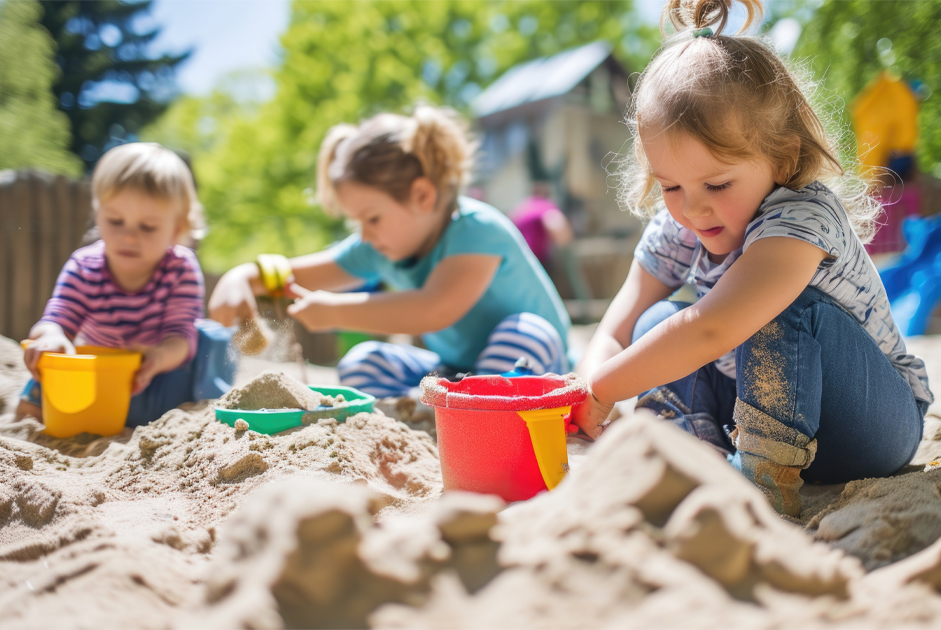
A sandpit is a timeless addition that offers endless opportunities for sensory exploration and creative play. Children can dig, build, and imagine various scenarios, from constructing castles to unearthing buried treasures. To create a sandpit, line a designated area with landscape fabric and fill it with play sand. Enhance the experience by adding tools like shovels, buckets, and molds.
- Mud Kitchen Magic
Encourage imaginative role-playing with a mud kitchen. Using recycled materials such as old sinks, wooden pallets, or unused furniture, you can craft a space where kids “cook” using mud, water, and natural elements. Equip the kitchen with pots, pans, and utensils to simulate a real cooking environment. This setup not only entertains but also develops fine motor skills and creativity.
- Water Play Wonders
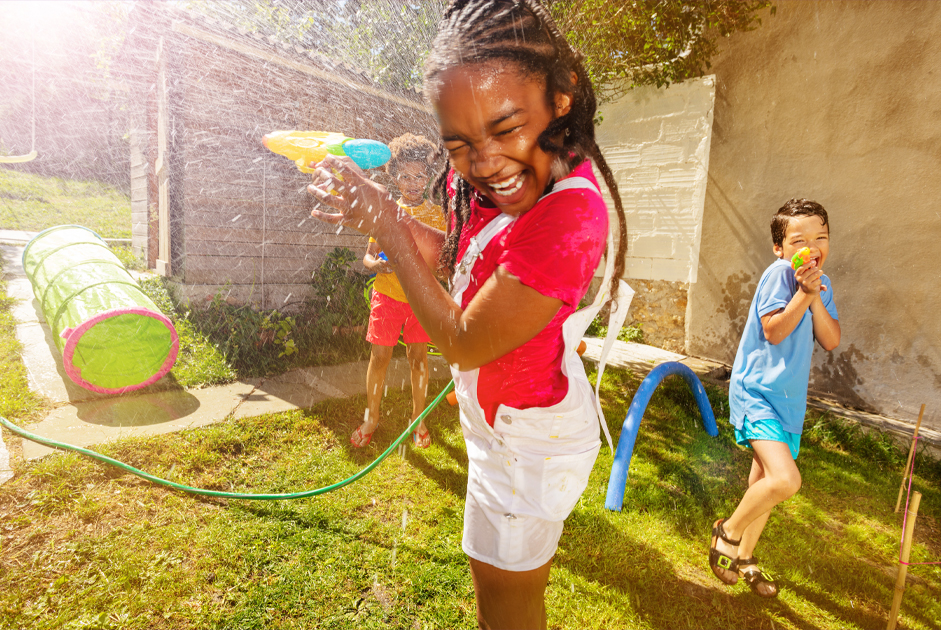
Water play is both fun and educational. Simple setups like sprinklers, water tables, or DIY splash pads can keep children engaged for hours. For colder months, consider activities like melting ice blocks or creating mini water experiments. Always ensure safety by supervising play and providing non-slip surfaces.
- Loose Parts Exploration
Incorporate loose parts—such as sticks, stones, pinecones, and recycled materials—to stimulate open-ended play. These items allow children to build structures, create art, or invent games, fostering problem-solving skills and imagination. Store these materials in accessible bins or crates to encourage spontaneous play.
Tips for Designing Your Play Space
- Safety First: Ensure all play areas are free from hazards. Use soft ground covers like mulch or rubber mats to cushion falls.
- Age-Appropriate Features: Tailor the play space to your child’s age and abilities. For toddlers, include low structures and sensory activities; for older kids, consider climbing walls or obstacle courses.
- Incorporate Nature: Use natural elements like plants, rocks, and logs to create a calming and enriching environment. Gardening sections can teach responsibility and biology basics.
- Flexible Layout: Design areas that can evolve with your child. Modular setups allow for easy updates as interests change.
Engaging Activities to Include
- Obstacle Courses: Use items like pool noodles, cones, and ropes to set up challenging paths that promote physical fitness.
- Art Stations: Provide easels, chalkboards, or outdoor-safe paints to inspire creativity.
- Reading Nooks: Create cozy corners with weather-resistant cushions and a selection of books for quiet time.
- Music Walls: Hang pots, pans, and other objects that produce sound to encourage musical exploration.
Creating a DIY outdoor play space is a rewarding project that offers numerous benefits for your children. It encourages active play, nurtures creativity, and provides a safe environment for exploration. With thoughtful planning and a touch of creativity, your backyard can become a cherished space for family fun and learning.
For more inspiration and detailed guides on building outdoor play areas, visit triadmomsonmain.com