Each month, this series introduces fun and impactful healthy habits to help families with kids and teens prioritize physical, mental and spiritual well being – fostering a lifestyle of shared growth and lifelong wellness. Healthy habits built together are the ones that last a lifetime.
Is there a better gift that we can give our kids than the ability to step into a world where they feel they have got what it takes?
This year is full of fresh chances to help our kids grow into incredible, capable humans starting with finding ways to introduce more independence into their everyday lives!
Independence is the Foundation for Confident Kids & Teens
As parents and caregivers, we want our children to want us and feel comfort and safety in us. What we don’t want is for our kids to need us for every simple task and decision that life brings. In fact, kids who practice age-appropriate independence end up being more confident, capable, willing to try new things on their own and are much less afraid of failure. All of which we want our kids to carry with them into adulthood!
While Instagram influencer parents might make you think that teaching independence involves a fancy new app or a pricey digital chore chart – it doesn’t have to be that serious. The goal is building micro-skills in everyday moments where opportunities are hiding to let your kids learn to do something they couldn’t before.
Independence is Taught in Tiny Moments
Here are a few easy and manageable ways you can nurture independence at every stage:
#1 Elementary School: Building Early Confidence
Small kids are capable of big things! It might take more patience, but kids this age are ready to practice and become more capable at everyday independent tasks when you let them. This list is to help you introduce simple tasks your littles can learn as you cheer them on:
- Managing steps of their morning and bedtime routines.
- Packing their own backpack or school snack.
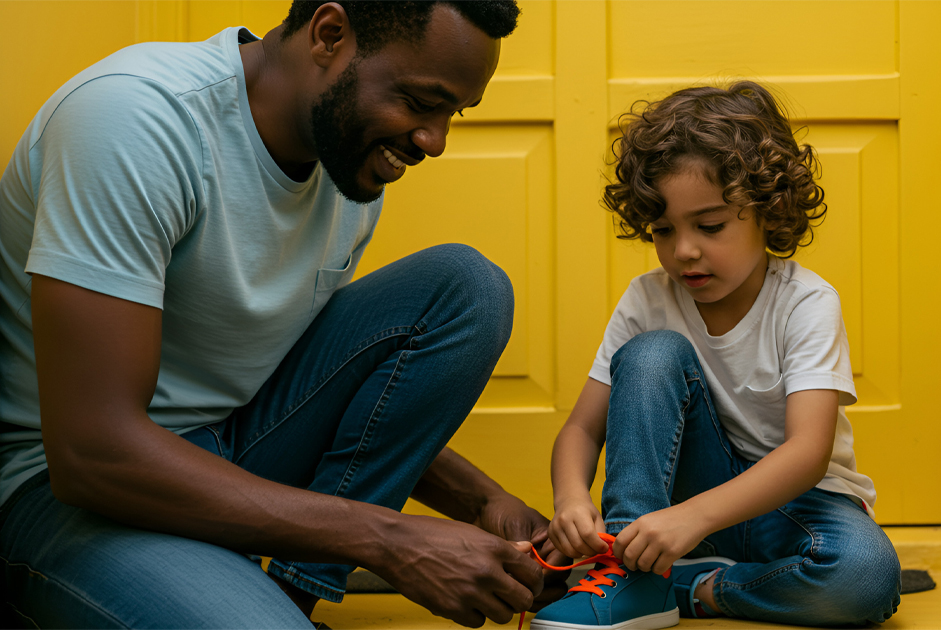
- Tying their shoes and zipping/buttoning their jacket.
- Helping with simple chores; setting the table, feeding pets, matching socks.
- Ordering their own food at restaurants.
#2 Middle School: Growing Responsibility
This age is actually perfect for teaching kids to be more independent since they are typically craving more freedom anyway! This list addresses simple responsibilities that make them feel more “grown up” while also building important life skills.
- Keeping track of homework/assignments using a planner or calendar.
- Making simple meals or snacks.
- Managing personal hygiene routines.
- Starting to do their own laundry with supervision.
- Budgeting weekly allowance or saving for a want/need.
#3 High School: Preparing for the Real World
The teen years are a different beast entirely! The early skills and tasks you helped your kids learn now shift into preparing them to eventually leave the nest and do life on their own. This list is meant to help focus on things that they will need to know how to navigate by themselves once they graduate.
- Doing their own laundry from start to finish.
- Managing transportation and schedules.
- Calling to make their own doctor/dentist/haircut appointments.
- Handling a monthly budget or part time job income.
- Planning, prepping and cooking full meals.
- Advocating for themselves with teachers, coaches or employers.
Creating Practices That Last a Lifetime
Being independent isn’t just teaching our children lessons; it’s a long term practice. When we give them independence, it’s not only showing them that we trust them but allowing them to learn to trust themselves, as well. As kids get older, that confidence becomes assurance that they can navigate the hard things that each season of life brings, and they’ll have you to thank for that.