National Preparedness Month is an annual campaign that runs for the whole of September. It was initiated by the Federal Emergency Management Agency (FEMA) in 2004 to raise awareness about the importance of being prepared for natural and large-scale manmade disasters and emergencies to keep everyone and their communities safe. As we experienced in western North Carolina with Hurricane Helene almost one year ago, natural disasters can strike suddenly and unexpectedly at any time. Every year around the world, there are about 6,800 natural disasters. From earthquakes, hurricanes and floods, to wildfires, tornadoes and droughts, approximately 40,000-50,000 people die per year, and hundreds of thousands of lives are affected (ourworldindata.org).
Just one century ago, it was not uncommon to experience more than a million deaths each year in the face of disasters. Thankfully, as a result of early warning systems, better infrastructures, more coordinated responses and disaster preparedness efforts, the number of deaths from extreme events have fallen significantly. While this is excellent news, intentional efforts must continue to reduce the number of fatalities even further. Take this month to review and improve your emergency preparedness plan (or create a plan if you do not have one). Talking about actions that need to happen in the face of an emergency is not an easy conversation, but it is an essential first step towards reducing the impact of disasters should the unimaginable occur.
Step One: Start Talking
- Choose a moment when everyone is at ease and comfortable.
- Schedule the discussions across a set time period to avoid rushing and create a more relaxed atmosphere around the topic.
- Discuss the steps you believe are essential and invite others to talk about preparedness actions they feel are critical to implement.
- Once you have a family disaster plan, practice your plan.
Step Two: Build a Kit
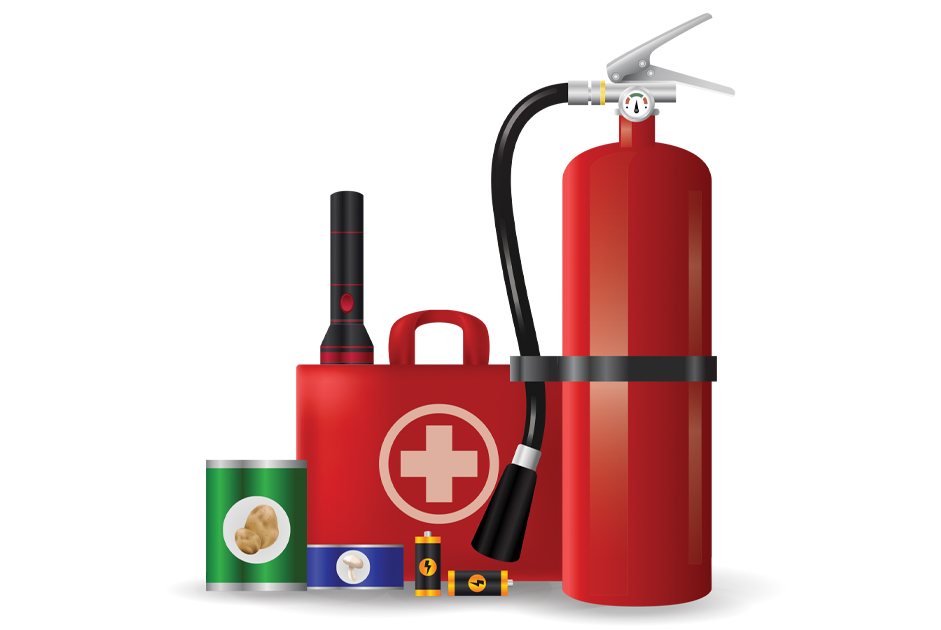
The resources and information shared on ready.gov serve as a crucial guide for stocking up on essential emergency supplies before disaster strikes. By taking simple steps now, you can build your preparedness kit at your own pace so that when the time comes, you will be in an optimal position to minimize the effects of the disaster on your home and loved ones and ensure your family’s safety and well being. One way to go about this task is to take one action each day towards disaster readiness during the month of September. By the end of the month, not only will you have a well thought out family disaster plan, but you will also be optimally equipped with the necessary supplies to help ensure everyone remains protected during a time of crisis. And, while you are building a disaster supply kit for your home, remember to build one for your car, too! The home disaster supplies kit list below is from ready.gov. Additional emergency supplies, tips on maintaining a kit, items for a car kit and a plethora of helpful resources can also be found on the website.
Basic Disaster Supplies
- Water (one gallon per person per day for several days, for drinking and sanitation)
- Food (at least a several-day supply of non-perishable food)
- Battery-powered or hand crank NOAA weather radio with tone alert
- Flashlight
- First aid kit
- Extra batteries
- Whistle (to signal for help)
- Dust mask (to help filter contaminated air)
- Plastic sheeting, scissors and duct tape (to shelter in place)
- Moist towelettes, garbage bags and plastic ties (for personal sanitation)
- Wrench or pliers (to turn off utilities)
- Manual can opener (for food)
- Local maps
- Cell phone with chargers and a backup battery
Step Three: Foster Readiness
National Preparedness Month isn’t solely about personal readiness – it also highlights the importance of building a culture of preparedness within communities. Being equipped for disasters saves countless lives, aids in recovery and mitigates financial challenges. Here are a few ways to get involved and empower a culture of readiness among neighbors, paving the way for stronger, more resilient communities.
- Attend an emergency preparedness workshop.
- Conduct a community emergency response drill.
- Volunteer with an emergency response organization.
- Participate in preparedness events in your area.
- Take CPR and First Aid classes.
- Share preparedness resources with neighbors.